Boiler Repair in Midwood, Brooklyn
Reliable diagnostics and specialized repairs for single-pipe steam and hydronic hot-water boilers across Midwood detached homes, multi-family brick properties, and apartment buildings.
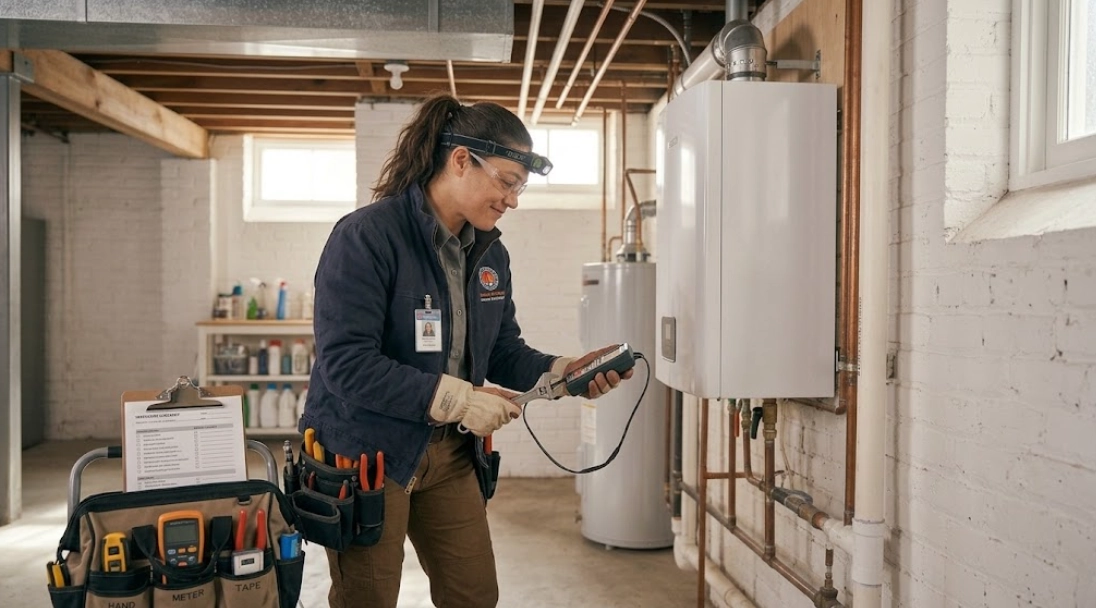
Restoring Residential Heating Performance in Midwood
When winter winds sweep down Ocean Avenue and Kings Highway, dependable home heating is essential. Dealing with a sudden no heat boiler repair Midwood Brooklyn situation disrupts household comfort and risks freezing domestic water pipes. Midwood residences—ranging from classic Victorian freestanding homes along Avenue J to post-war brick multi-family buildings near Brooklyn College—rely extensively on cast-iron steam boilers and hydronic heating loops.
Whether your property depends on a classic gravity single-pipe steam setup or a closed-loop hydronic system, accurate mechanical troubleshooting must come before replacing expensive parts. When a boiler is not working Midwood Brooklyn homeowners often encounter multiple overlapping symptoms: water pooling beneath relief valves, clanking radiator pipes, or burners locking out unexpectedly. Our diagnostic sequence isolates the root cause quickly, whether it is electrical, mechanical, or piping-related.
Understanding Your System: Steam Boilers vs. Hot Water Hydronics
Effective heating repair requires understanding the fundamental mechanical distinctions between steam and hydronic hot-water systems. Each operates under vastly different physical dynamics and safety parameters:
Single-Pipe & Two-Pipe Steam Heating
Common in historic Brooklyn architecture, steam systems boil water inside the boiler vessel to generate vapor that expands up through vertical risers. The steam pushes cold air out of radiator vents, condenses into liquid water against cool radiator cast iron, and drains back into the boiler.
- Low Operating Pressure: Steam boilers must operate at very low pressures, typically between 0.5 and 2.0 psi. High pressure locks vents and causes system short-cycling.
- Critical Water Line Maintenance: Water level in the glass gauge must remain stable. Excessive fluctuations signal boiler surging or foaming caused by oil contamination.
- Low-Water Cutoff Protection: A float or electronic probe cutoff shuts off fuel delivery if water levels drop, protecting against dry-firing.
Hydronic Hot Water Boilers
Hydronic systems maintain a closed, fully water-filled circuit pressurized between 12 and 20 psi. Water is heated to 160°F–180°F and circulated through baseboards, radiators, or radiant tubing via motorized circulator pumps.
- Circulator Pumps & Flow Controls: Faulty circulator motors or stuck zone valves leave whole floors without heat despite an active burner.
- Expansion Tank Operation: Waterlogged diaphragm expansion tanks cause thermal expansion pressure spikes, opening the 30-psi safety relief valve.
- Air Elimination: Trapped micro-bubbles collect in high radiator branches, creating cold spots that require professional purging.
Experiencing No Heat or Unexplained Boiler Shutdowns?
Call our local heating specialists to diagnose low-water cutoffs, pressuretrol controls, burner ignition faults, and radiator issues.
Call (315) 202-8009 for Boiler DiagnosticsCommon Boiler Problems We Diagnose in Midwood
Decades of heating service across Brooklyn have shown us the warning signs that indicate emerging heating failures:
Burner Ignition Lockouts
On natural gas boiler repair Midwood Brooklyn calls, faulty thermocouples, oxidized flame sensors, defective electronic spark modules, or gas control valves can cause the burner to fail to ignite or shut off after a few seconds.
Pressure Relief Valve Leaks
Water discharging from the boiler relief valve signals either excessive system pressure (expansion tank failure or defective automatic water feeder) or a mechanically worn relief valve seat calcified by mineral scale.
Loud Water Hammer & Banging
Violent banging in steam pipes occurs when rising steam collides with trapped condensate pooling in sagging pipe runs, unpitched radiators, or defective air vents. Learn more on our dedicated Steam Heat & Radiator Repair page.
Specialized Diagnostics: Why Inspection Comes First
Replacing parts randomly without proper diagnostic measurement wastes time and money. Our technicians follow a structured multi-point inspection sequence:
- Electrical & Control Circuit Verification: Checking 24V transformer output, thermostat continuity, high-limit aquastats, and emergency safety cutoffs.
- Draft & Venting Evaluation: Inspecting the barometric damper, chimney connector pipe, and draft hood to guarantee clean exhaust evacuation and prevent carbon monoxide accumulation.
- Combustion & Burner Flame Check: Observing flame pattern, primary air shutter adjustment, and verifying clean combustion free of yellow tipping or soot buildup.
- Hydraulic & Piping Inspection: Verifying system water pressure, checking automatic feed valve calibration, and inspecting return lines for corrosion.
For properties requiring steam boiler repair Midwood Brooklyn residents frequently find that cleaning sediment out of the float chamber or skimming oil from the boiler waterline resolves persistent short-cycling without replacing major components. When handling hot water boiler repair Midwood Brooklyn calls, purging air locks and replacing worn circulator couplings restores heat quickly and reliably.
Repair vs. Replacement: Making the Practical Choice
Not every boiler failure justifies an expensive new installation. When issues involve replaceable controls—such as aquastats, pressuretrols, gas valves, igniters, low-water cutoff switches, or zone valves—targeted repair is typically the sensible, cost-effective course of action.
However, if the cast-iron heat exchanger sections are cracked, leaking internally, or exhibiting severe thermal shock fatigue from decades of operation, replacement becomes the only safe and code-compliant resolution. Explore our complete guide on our Boiler Replacement page for guidance on sizing, efficiency ratings, and Department of Buildings permits.
Connecting Your Boiler to Other Home Plumbing Systems
A residential boiler does not operate in isolation. It relies on domestic water supply lines, natural gas infrastructure, and adequate drainage:
- Domestic Hot Water: Many Brooklyn homes utilize an indirect water heater or tankless coil connected to the boiler. For auxiliary water heater issues, explore our Water Heater Repair service.
- Fuel Gas Lines: Boilers require properly sized black steel gas piping and manual shutoff valves meeting NYC Fuel Gas Code. Review our certified Gas Line Repair & Inspection solutions.
- Basement Floor Drainage: Sump pumps and perimeter drainage protect boiler burner assemblies from basement water table pooling. See our Sump Pump & Flood Protection options.
- Waste Stacks: When boiler blowdown drains run slowly, our Drain Cleaning service clears mineral sediment from floor drains. For underground sewer breaks, review Sewer Line Repair.
Need Boiler Repair Near Flatbush or Madison?
We provide localized heating service across Midwood and neighboring Brooklyn communities. Call our dispatch center directly to speak with a technician.
Call (315) 202-8009 to Schedule ServiceRoutine Maintenance to Prevent Winter Heating Lockouts
Simple pre-season maintenance dramatically cuts down mid-winter breakdowns. Flushing sediment from low-water cutoffs weekly during heating months prevents float switches from jamming. Exercising relief valves, bleeding air from baseboards, and verifying sight glass clarity keeps heating equipment running safely.
Explore our full service territory across South Brooklyn on our Service Areas page, or reach our intake desk directly on the Contact page.
Frequently Asked Questions About Boiler Repair
What are the most common reasons a residential boiler stops producing heat in Midwood?
Frequent culprits include low-water cutoff safety shutdowns, extinguished electronic pilot or spark igniters, tripped high-limit pressure switches, seized hydronic circulator pumps, and air-bound radiators blocking heating circulation.
How does a steam boiler differ from a hot water hydronic boiler?
A steam boiler heats water until it boils into low-pressure steam (usually under 2 psi), which rises naturally through iron piping to radiators where it condenses back into water. A hydronic system maintains a completely water-filled, pressurized closed loop (12–20 psi) and circulates hot water using motorized pumps.
Why is my steam boiler constantly losing water or shutting off on low-water cutoff?
Water loss indicates either leaking radiator air vents, cracked valve packings, or hidden return line corrosion beneath basement concrete slabs. The low-water cutoff shuts the burner down to prevent catastrophic dry firing when water levels drop below safe thresholds.
What steps should I take before calling for emergency boiler repair?
Check that the emergency red power switch is ON, verify your thermostat is set above room temperature in HEAT mode, inspect the water sight glass to confirm adequate water level, and note any flashing error codes on digital aquastat controls.