Gas Line Repair & Inspection in Midwood, Brooklyn
Certified natural gas piping repairs, manometer pressure testing, appliance hookups, and NYC Local Law 152 periodic gas piping compliance.
Consult on Gas Piping ServiceURGENT GAS SAFETY NOTICE
If you smell gas or suspect an active gas leak, leave the building immediately without operating switches or creating ignition sources, then contact the gas utility or 911 from a safe location. Do not attempt to inspect or repair the leak yourself.
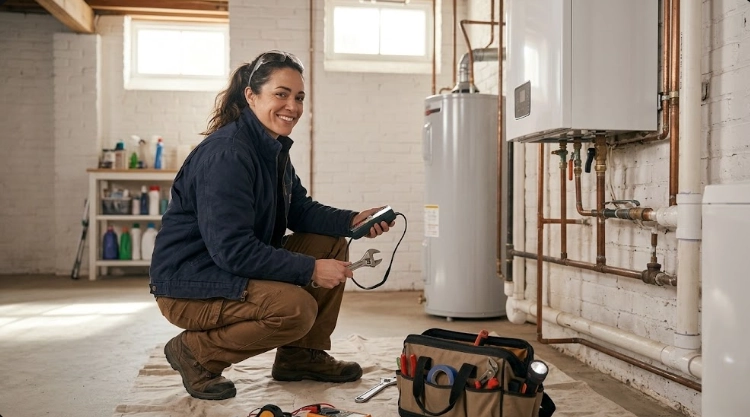
Licensed Gas Piping Solutions for Midwood Residential Properties
Natural gas powers critical heating boilers, domestic water heaters, and cooking appliances across Midwood. When upgrading kitchen equipment or resolving utility shutoff notices, professional gas line repair Midwood Brooklyn services guarantee that fuel gas infrastructure adheres strictly to the New York City Fuel Gas Code. Handling combustible fuel gas demands certified mechanical mastery, calibrated leak detection equipment, and precise pressure decay testing.
Fuel gas lines feed directly into primary heating boilers. A corroded gas pipe union, worn regulator valve, or undersized supply branch can starve your boiler of the required BTU volume, triggering unexpected heating lockouts. Our technicians diagnose fuel gas delivery lines in coordination with our comprehensive boiler repair in Midwood service to keep residential burners firing safely.
Scheduled Gas Piping Services
We manage planned gas installations and code-compliant piping renewals:
- Gas Stove & Cooktop Hookups: Installing approved heavy-duty flexible stainless steel connectors, 1/4-turn brass shutoff valves, and sediment drip legs for kitchen ranges.
- Gas Piping Pressure Decay Testing: Performing high-precision manometer pressure decay tests up to 3 psi (or higher where required) to verify hermetic joint integrity before utility gas restoration.
- Corroded Black Iron Pipe Replacement: Replacing surface-rusted and pitted threaded steel pipe runs located in basements, crawl spaces, and utility chases.
NYC Local Law 152 Compliance Inspections
New York City Local Law 152 mandates periodic inspection of exposed gas piping in multi-family and commercial properties:
- Applicability: Covers all buildings classified under occupancy group R (except one- and two-family private homes) at least once every four years.
- Thorough Inspection Sequence: Visual inspection of exposed gas piping from building entry to boiler rooms and common areas, combined with calibrated combustible gas detector sniffing around joints.
- Department of Buildings (DOB) Certification: Submitting GPS1 inspection documentation within required cycle deadlines to avoid municipal civil penalties.
Planning a Gas Appliance Upgrade or Facing a Utility Lockout?
Call our Brooklyn gas service division to schedule code-compliant pressure testing, pipe modifications, or Local Law 152 certifications.
Call (315) 202-8009 to Discuss Gas ServiceDistinguishing Routine Maintenance from Emergencies
It is vital to distinguish scheduled plumbing work from emergency situations. If you detect the distinctive rotten-egg odor of mercaptan, do not call a service contractor or search for the source. Evacuate all occupants immediately and dial National Grid or 911 from outside the structure.
When working on planned renovations, boiler replacements, or resolving National Grid gas shutoffs following utility lockouts, our team coordinates with utility engineers and the NYC DOB to pull required work permits, perform witness tests, and restore safe gas flow. If you are also replacing an aged heating boiler, explore our Boiler Replacement page for comprehensive equipment specifications.
Serving Midwood Multi-Family and Private Homes
From detached one-family homes along Avenue J to multi-story pre-war apartment buildings near Kings Highway, gas piping demands certified materials and precision thread sealant. We ensure every valve, elbow, and union complies with building regulations.
Review our full service radius across Brooklyn on our Service Areas overview, or reach our intake desk on the Contact page.
Frequently Asked Questions About Gas Line Repair
What should I do immediately if I smell gas in my home or building?
If you smell gas or suspect an active gas leak, leave the building immediately without operating light switches, electrical devices, or creating ignition sources. Once safely outside, call the gas utility (National Grid: 1-718-643-4050) or 911 immediately. Do not call a plumber first or attempt to locate the leak yourself.
What buildings are required to undergo NYC Local Law 152 gas piping inspections?
Local Law 152 mandates periodic inspection of exposed gas piping in all buildings classified under occupancy group R (except one- and two-family homes) at least once every four years by a licensed master plumber, with completed certification filed with the NYC Department of Buildings.
Can an unlicensed handyman connect a new gas stove or dryer in Brooklyn?
No. Under the NYC Fuel Gas Code, all gas appliances, flexible connectors, and shutoff valves must be installed, leak-checked, and certified by an authorized licensed master plumbing professional to ensure gas-tight joints and code compliance.